For decades, the traditional performance review has been a dreaded corporate ritual. For small businesses, it is often worse: an administrative headache that pulls managers away from high-priority operations—making AI automation an essential solution to replace subjective, backward-looking appraisal forms.
Today, the rapid evolution of artificial intelligence is fundamentally transforming how organizations evaluate success. By automating key performance indicator (KPI) tracking and feedback generation, AI is enabling small businesses to abandon outdated annual reviews in favor of real-time, data-driven, and continuous performance management. Here is a look at the future of performance reviews and how small business leaders can leverage AI automation to drive accountability and growth.
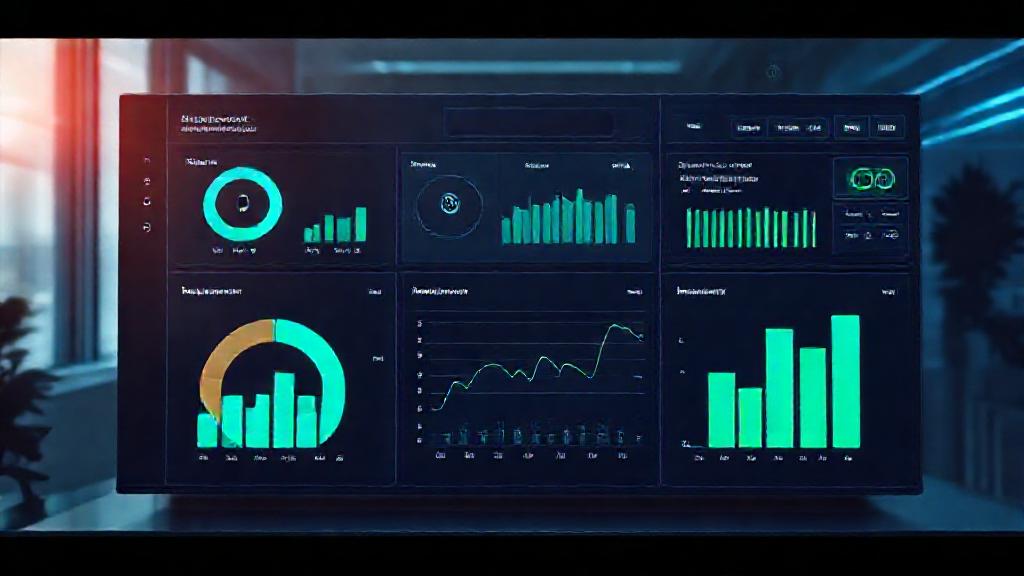
The Flaws of the Traditional Review in Small Business Environments
In a growing company, agility is everything. Yet, traditional review models directly contradict this agility. Small businesses face distinct challenges when managing performance through legacy methods:
- Resource Scarcity: Without dedicated human resources departments, founders and operational managers must bear the brunt of performance administration, diverting hours away from revenue-generating work.
- Recency and Cognitive Bias: When evaluations occur annually or bi-annually, managers often remember only what an employee achieved—or struggled with—over the previous few weeks.
- Lagging Data: Discovering in December that a critical operational KPI went off track in April means eight months of wasted opportunity to correct course.
AI-driven automation eliminates these bottlenecks by integrating directly into daily workflows, turning performance tracking from an exhausting event into an ongoing operational asset.
How AI Automates KPI Tracking and Evaluation
Modern performance management platforms powered by AI do not just store goals; they actively monitor progress. By integrating with existing workplace tools—such as project management platforms (Asana, Monday.com), CRMs (HubSpot, Salesforce), and communication hubs (Slack, Microsoft Teams)—AI can systematically evaluate output against predefined KPIs.
Instead of a manager manually checking if an account executive hit their quarterly outbound benchmark, AI tracks the metric automatically, analyzes conversion rates, and flags anomalies. Beyond hard numbers, advanced Natural Language Processing (NLP) models can analyze client feedback, peer interactions, and project delivery notes to measure soft skills like collaboration and responsiveness.
The result is a holistic, objective record of performance that updates dynamically, providing an accurate basis for feedback without requiring hours of manual data collation.
Key Benefits for Small Business Growth
Adopting AI-automated performance reviews provides small organizations with capabilities that were once exclusive to enterprise giants:
- Real-Time Course Correction: Rather than waiting months to address underperformance, automated alerts notify leaders when an employee’s KPIs begin to dip, allowing for immediate mentorship and proactive problem-solving.
- Objective, Data-Backed Feedback: AI reduces managerial subjectivity. Evaluations are anchored in verifiable data, fostering fairness, transparency, and trust across the organization.
- Personalized Development Roadmaps: Modern AI engines can assess an employee’s current skill set against their targets and automatically suggest tailored training modules, articles, or internal projects to help them close performance gaps.
- Burnout and Retention Alerts: By analyzing workload distributions and output trends over time, AI can identify patterns that precede employee turnover or burnout, giving leaders time to intervene.
Practical Steps to Implement AI Performance Systems
Implementing AI automation does not require enterprise-level budgets or deep technical expertise. Small business leaders can transition smoothly by following a structured approach:
- Clearly Define Measurable KPIs: AI requires clear data inputs to deliver value. Before automating evaluations, ensure that every role has three to five quantifiable, realistic, and role-specific KPIs.
- Audit Your Current Tech Stack: Choose AI performance software that integrates natively with your existing software (e.g., your accounting software, communication channels, or CRM). Friction occurs when employees are forced to use multiple disjointed tools.
- Adopt a “Human-in-the-Loop” Model: AI should inform decisions, not dictate them. Ensure your leadership team treats AI outputs as a diagnostic starting point for conversations rather than the final verdict on an employee’s worth.
- Prioritize Transparency with Your Team: Clearly communicate what metrics are being tracked and why. When employees understand that AI is being used to foster objective evaluations and professional growth—rather than invasive surveillance—adoption rates and morale increase dramatically.
Balancing Artificial Intelligence with Human Leadership
The future of performance management is not an algorithm replacing human leadership; it is an algorithm empowering human leaders to be better coaches.
While AI excels at tracking metrics, spotting patterns, and aggregating data, it cannot replace human empathy, contextual understanding, and visionary mentorship. By automating the tedious process of tracking KPIs and drafting summaries, managers reclaim the time needed to have meaningful, face-to-face developmental conversations with their teams.
For small businesses, implementing AI-driven KPI management provides the ultimate competitive edge: a culture of continuous improvement, sustained accountability, and an engaged workforce aligned with the organization’s overarching vision.
Combining AI automation for performance reviews with automated AI training assistants creates a complete, modern HR ecosystem—proving that smart AI automation is the ultimate growth driver for small teams.