Corporate delivery operations are facing an unprecedented squeeze on margins. Volatile fuel prices, climbing vehicle acquisition costs, and driver shortages have made traditional logistics unsustainable—making AI-driven fleet management an essential standard for modern enterprises.
To maintain profitability, enterprises are turning to artificial intelligence. AI-driven fleet management moves operations from reactive problem-solving to predictive optimization. By unifying telematics, machine learning algorithms, and real-time operational data, companies can drastically decrease their total cost of ownership (TCO) and maximize resource efficiency. Here is how modern enterprises are deploying AI to systematically lower delivery expenditures.
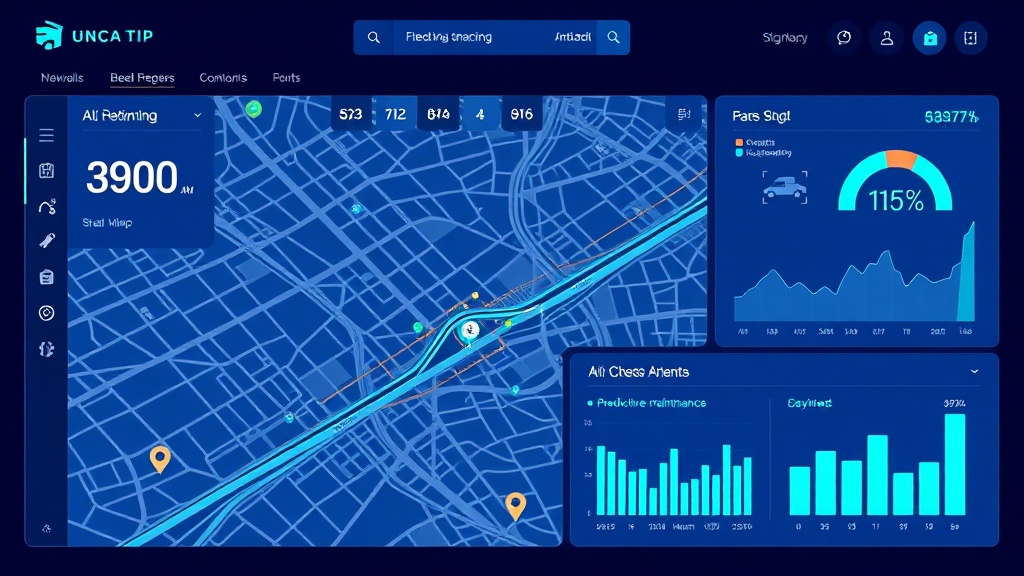
Optimizing Routes with AI-Driven Fleet Management to Slash Fuel Costs
Fuel remains one of the single largest operating expenses for commercial fleets. Legacy routing systems rely on static maps and historical assumptions, leaving drivers vulnerable to unpredictable delays, congestion, and detours that burn capital.
AI-powered dynamic routing platforms analyze hundreds of live variables simultaneously—including real-time traffic updates, weather conditions, historical choke points, customer-specified delivery windows, and vehicle-specific weight limits. By continuously recalculating paths mid-journey, these systems ensure vehicles take the most fuel-efficient route possible.
Furthermore, AI algorithms optimize multi-stop dispatching, grouping deliveries geographically to minimize redundant mileage. This eliminates “empty miles” (deadhead travel) and drives an immediate 10% to 20% reduction in fleet fuel consumption. Modern AI-driven fleet management optimizes multi-stop routes dynamically, cutting idle time and fuel waste.
Transitioning from Scheduled to Predictive Maintenance
Unplanned downtime is a severe drain on corporate capital. Traditional preventative maintenance operates on rigid time or mileage intervals, which often results in either premature parts replacement (wasting maintenance budget) or catastrophic component failures on the road (incurring towing costs, overtime repairs, and missed delivery penalties).
AI changes this dynamic through predictive maintenance:
- IoT Sensor Integration: Onboard sensors collect continuous data on engine performance, fluid levels, tire pressure, brake wear, and battery health.
- Anomaly Detection: Machine learning models compare incoming vehicle data against millions of data points to identify subtle deviations signaling imminent component failure.
- Proactive Scheduling: Automated alerts trigger targeted maintenance before a breakdown occurs, scheduling shop time during non-peak delivery hours.
By fixing minor issues before they cascade into major mechanical failures, organizations can reduce maintenance overhead by up to 25% and significantly extend the operating lifespan of their vehicles.
Monitoring Driver Behavior to Curtail Hidden Expenses
A vehicle’s operational cost is heavily influenced by the individual behind the wheel. Inefficient driving habits such as chronic engine idling, aggressive acceleration, harsh braking, and speeding accelerate mechanical wear and needlessly waste fuel.
AI-driven video telematics and internal sensors monitor driving patterns continuously without manual oversight. These systems flag wasteful and risky behaviors in real time, delivering in-cab coaching cues to the driver.
Beyond fuel savings, this behavioral visibility generates substantial tertiary cost benefits:
- Lower Insurance Premiums: Insurance carriers increasingly offer reduced rates to fleets that demonstrate lower incident risk through verified telematics data.
- Reduced Accident Liability: Fewer collisions mean reduced direct repair costs, less vehicle downtime, and mitigated legal liabilities.
- Component Longevity: Smooth driving habits reduce friction-induced wear on tires, transmissions, and braking systems.
Maximizing Fleet Capacity and Load Distribution
Operating vehicles below their optimal capacity wastes capital. Sending two half-full vans into the same territory costs nearly double what it would cost to deploy a single fully utilized vehicle.
AI algorithms solve capacity bottlenecks by automatically pairing delivery manifests with the precise spatial and weight capacity of individual vehicles. The software calculates optimal cube utilization, balancing cargo weight distribution for both safety and aerodynamics.
Additionally, machine learning models analyze historical seasonal volume to accurately forecast future demand. This allows fleet directors to dynamically right-size their active fleet—preventing the over-allocation of company-owned assets and reducing reliance on expensive third-party spot carriers during volume spikes.
Best Practices for Implementing AI Fleet Systems
To capture the full cost-reduction benefits of AI-driven fleet management, enterprise leaders must execute a disciplined rollout strategy:
- Audit Existing Tech Stacks: Ensure your current hardware (onboard diagnostics, telematics boxes, enterprise resource planning platforms) can support bi-directional data flow with an AI layer.
- Prioritize Integration: Choose software solutions that integrate seamlessly with your warehouse management systems (WMS) and supply chain planning tools to prevent operational silos.
- Focus on Change Management: Driver resistance is the most common point of failure. Frame telematics not as surveillance, but as a driver-safety initiative, and align incentives by establishing driver scorecards with performance bonuses tied to fuel efficiency and safety metrics.
- Deploy in Phases: Run a controlled pilot with a targeted subset of your fleet (10% to 20%) to baseline performance, debug data discrepancies, and establish a clear proof-of-concept before expanding enterprise-wide.
The Bottom Line
AI-driven fleet management is no longer an experimental advantage reserved for tech giants; it is an operational imperative for any enterprise operating complex delivery networks. By turning vast streams of logistics data into automated, cost-saving decisions, businesses can transform their logistics departments from high-cost liabilities into lean, resilient, and customer-centric competitive advantages. Combining predictive logistics with agentic AI workflows allows enterprises to automate customer delivery notifications seamlessly. Ultimately, adopting AI-driven fleet management gives logistics directors complete visibility and control over corporate delivery budgets.