For decades, brick-and-mortar merchandising relied heavily on merchant intuition and trial-and-error. Today, physical storefronts can leverage advanced AI layout optimization to track customer movement, analyze shelf interactions, and build high-margin floor plans. Big-box giants like Walmart have always employed dedicated teams to design layouts that subtly nudge shoppers toward larger basket sizes, but now small retailers can use accessible artificial intelligence to achieve the same enterprise efficiency.
Today, the democratization of artificial intelligence (AI) has shifted the playing field. With accessible cloud-based tools and modern computer vision, independent and small retailers can now utilize AI layout optimization to turn their physical floor space into a finely tuned, revenue-generating engine.
Here is how small retailers can realistically adopt this technology to optimize their store layouts, improve customer flow, and sustainably grow sales.
Shifting from Gut Feeling to Data-Driven AI Layout Optimization
Every square foot of a physical store carries an overhead cost. Despite this, many small retailers place merchandise based on what looks visually pleasing rather than what converts into sales. Modern AI layout optimization eliminates guesswork by turning foot-traffic heatmaps into actionable shelf adjustments.
AI-powered layout optimization bridges the gap between aesthetics and performance. By analyzing foot traffic, point-of-sale (POS) data, and dwell times, layout optimization software provides actionable recommendations on how to arrange aisles, display fixtures, and end-caps. Instead of guessing whether an accessory table should sit near the entrance or near the fitting rooms, retailers can use predictive models to determine where items will yield the highest conversion rates.
Mapping the Customer Journey with Visual Analytics
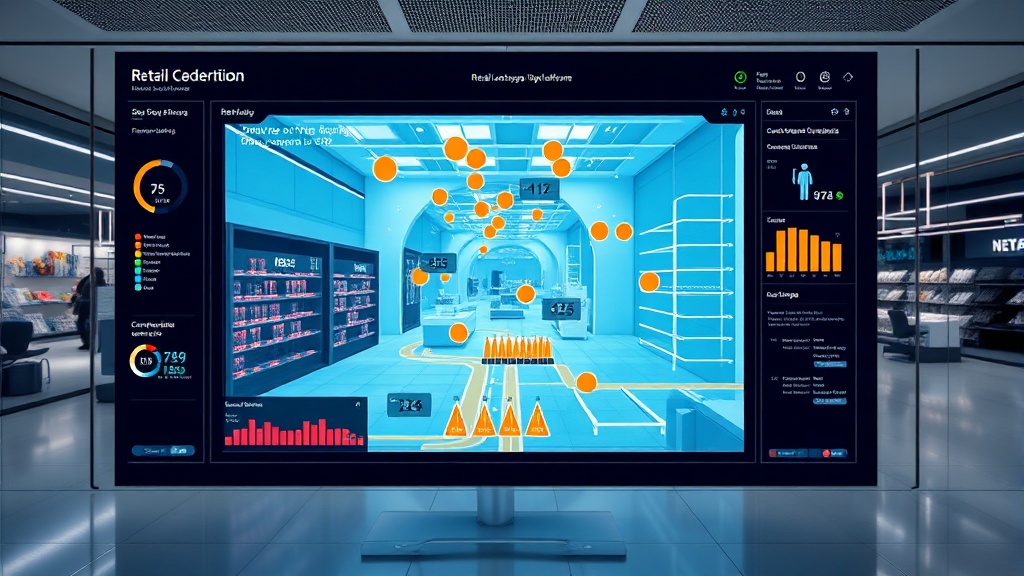
Understanding how customers physically navigate your store is the first step toward optimizing your layout. Modern AI software can integrate directly with existing security cameras or affordable, plug-and-play optical sensors to track in-store movement without collecting personally identifiable information.
These systems generate visual heatmaps that reveal:
- High-Traffic Arteries: The natural pathways customers take upon entering the store.
- Dwell Zones: Spots where shoppers consistently pause, browse, and deliberate.
- Friction Points and Bottlenecks: Areas where narrow aisles or misplaced fixtures disrupt the shopping experience, causing customers to turn back.
By recognizing these natural behavioral patterns, retailers can deliberately place high-margin products along primary transit paths and position impulse buys near natural pause points, immediately lifting the average transaction value.
Eliminating Costly “Dead Zones”
Almost every independent shop has a “dead zone”—a quiet corner, back wall, or awkward alcove where foot traffic drops off dramatically. In traditional retail, these spaces often become accidental storage zones or house stale inventory that eventually requires deep discounting.
AI layout tools identify these dead zones and suggest targeted interventions. For example, the software might recommend placing a high-demand “anchor product” (a staple item that shoppers specifically seek out) in the back corner to pull traffic through the entire store. Alternatively, AI can help test whether introducing distinct display lighting, changing signage, or adjusting fixture angles can effectively revitalize neglected floor space.
Smarter Cross-Merchandising via Basket Analysis
Online retailers have mastered the art of recommending related products—think of Amazon’s “Frequently Bought Together” prompts. AI layout software brings this exact capability to physical retail shelves.
By integrating directly with your POS system, AI can run sophisticated market basket analyses to uncover non-obvious product correlations. If data reveals that customers who buy high-end coffee beans also frequently purchase artisanal chocolate bars, the AI can advise placing those two categories in close proximity, or creating dedicated cross-merchandising displays.
Physical adjacency based on real transactional data removes friction from the discovery process, prompting unplanned purchases and boosting units per transaction (UPT).
Practical, Low-Barrier Steps to Get Started
Implementing AI optimization does not require a complete architectural overhaul or an enterprise-level IT budget. Small retailers can start small and scale their approach:
- Leverage Existing Hardware: Many AI analytics platforms operate using standard IP security cameras or low-power overhead sensors. Avoid proprietary, high-cost hardware packages when beginning.
- Sync POS and Inventory Data: Choose layout optimization tools that seamlessly integrate with your existing cloud POS (such as Shopify POS, Square, or Lightspeed). Accurate sales data makes spatial analytics substantially more predictive.
- Run In-Store A/B Tests: Treat your store layout as a continuous experiment. Modify one specific zone—such as the cash-wrap display or an entrance table—based on AI suggestions. Track conversion rates and dwell times for two to three weeks before rolling out changes storewide.
- Iterate Seasonally: Customer behavior fluctuates based on weather, holidays, and seasonal trends. Re-evaluate your heatmaps and product placement dynamically throughout the year rather than sticking to a static, year-round floor plan.
Turning Physical Space into a Competitive Edge
E-commerce offers undeniable convenience, but physical retail still commands the unique power of tactile, sensory shopping experiences. The retailers who succeed today are those who treat their physical spaces as dynamic environments that evolve alongside customer preferences.
By leveraging AI layout optimization, small retailers no longer have to guess how to maximize their square footage. With data-backed floor plans, intelligent product placement, and continuous measurement, independent shop owners can deliver a smoother shopping experience for their customers—and realize a measurable boost to their bottom line. Ultimately, adopting AI layout optimization empowers independent stores to maximize revenue per square foot.