Enter AI dynamic pricing. By leveraging machine learning models to analyze complex market signals in real time, forward-thinking retailers are moving beyond the traditional “race to the bottom” and adopting sophisticated pricing strategies that protect margins, maximize revenue, and build long-term customer value.
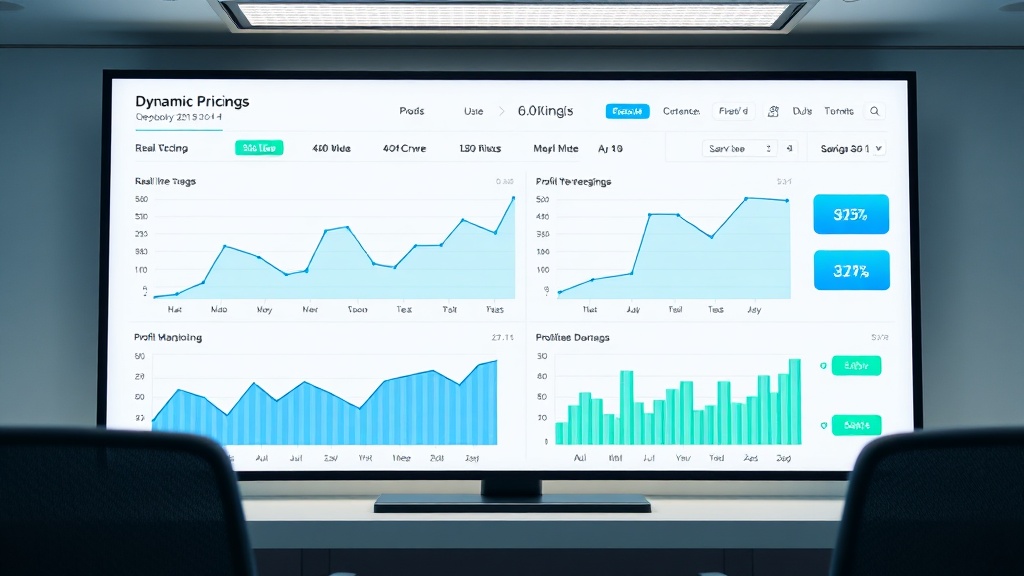
The Flaws of Legacy Rules Compared to AI Dynamic Pricing
For years, e-commerce managers relied on static pricing or simple rule-based automation (e.g., “always price 2% lower than Competitor X”). While rule-based systems were an improvement over manual updates, they introduce critical vulnerabilities in highly volatile markets:
- Margin Erosion: Blindly undercutting rivals often triggers an automated downward spiral, destroying profit margins for every player involved.
- Lack of Context: Basic algorithms ignore macro factors like supply chain bottlenecks, inventory turnover velocity, localized weather events, and changing customer lifetime value (CLV).
- Latency: Rule-based engines often process data on batch schedules, meaning your store may respond hours after a competitor has adjusted their inventory or promotional campaign.
To stay competitive without bankrupting your business, pricing systems must become predictive, contextual, and autonomous. Implementing AI dynamic pricing allows online stores to react to competitor stockouts in real time.
How Machine Learning Transforms Price Optimization
Machine learning (ML) models do not just react to price changes; they forecast demand and calculate price elasticity at a granular, SKU-by-SKU level. Instead of asking, *”What is my competitor charging?”* an AI system asks, *”What is the optimal price point for this specific product, at this exact moment, for this specific customer segment, given current inventory constraints and demand elasticity?”*
Modern AI engines process vast data inputs simultaneously, including:
- Real-time competitor pricing and availability: Identifying when a key rival runs out of stock, allowing you to raise prices and capture higher margins immediately.
- On-site behavioral signals: Bounce rates, cart abandonment patterns, session durations, and conversion friction.
- Internal operational metrics: Real-time stock levels, holding costs, return rates, and shipping surcharges.
- External environmental variables: Seasonality, regional demand shifts, inflation indices, and social media trend spikes.
High-Impact AI Pricing Strategies for Competitive Stores
Implementing dynamic pricing does not mean fluctuating prices wildly every minute. Successful implementations use deliberate strategies aligned with overarching business goals:
1. Elasticity-Driven Margin Maximization
AI models continuously calculate price elasticity of demand (PED) across your product catalog. For inelastic products—where demand remains stable despite price increases—the algorithm nudges prices upward to capture margin. For elastic products where demand is sensitive to minor shifts, prices are calibrated downward just enough to drive conversion volume without unnecessary revenue loss.
2. Inventory-Aware Clearance and Velocity Pricing
Holding dead stock drains working capital. AI systems can automatically adjust prices to optimize stock turnover. If inventory isn’t moving at the expected run-rate, the algorithm systematically lowers the price in small increments to find the clearance equilibrium. Conversely, if an item is selling too fast and supplier lead times are long, prices increase to throttle demand and protect inventory until reorders arrive.
3. Competitor-Stock Opportunism
One of the most profitable dynamic pricing plays involves tracking competitor stock levels alongside their prices. When your primary competitors stock out of a high-demand SKU, the AI detects the supply deficit and instantly increases your price. Consumers with high purchase intent will pay a premium to secure an item that is scarce across the market.
4. Segment-Specific and Channel-Aware Pricing
While full individual personalization faces regulatory and consumer trust challenges, AI enables segmented pricing based on macro channels. A retailer might offer unique price dynamics for first-time visitors versus returning loyalty members, or vary pricing dynamically across direct-to-consumer (D2C) channels versus third-party marketplaces to account for take-rates and shipping fees.
Implementation: Best Practices and Strategic Guardrails
Transitioning to an algorithmic pricing model requires more than simply flipping a software switch. To safeguard your brand equity and bottom line, adhere to several core best practices:
- Establish Strict Price Floors and Ceilings: Never grant an AI model unconstrained pricing freedom. Set strict minimum margin thresholds (floors) to prevent selling at an unsustainable loss and maximum thresholds (ceilings) to avoid brand perception issues and price-gouging accusations.
- Protect the Brand Experience: Excessive price volatility erodes customer trust. If a consumer sees a price change three times in one afternoon, they may abandon the purchase out of frustration. Smooth your price transitions to maintain credibility.
- Integrate with Supply Chain Data: An AI pricing engine operating in a silo is dangerous. It must be deeply integrated with your Enterprise Resource Planning (ERP) and Warehouse Management Systems (WMS) to align pricing strategy with procurement timelines and fulfillment capabilities.
- Audit Algorithms for Feedback Loops: Ensure your algorithms are monitored for unexpected interactions. In rare cases, two competing AI systems with misconfigured rules can enter an infinite pricing loop, distorting market dynamics.
Shifting from Reaction to Intelligent Strategy
In competitive e-commerce markets, static pricing is dead. The merchants dominating the landscape today treat price as an active, intelligent, and continuously optimized operational lever.
By adopting AI-powered dynamic pricing, retailers cease to be passive victims of competitor price cuts. Instead, they gain the analytical sophistication required to defend their margins, liquidate inventory efficiently, and capture profitable market share when competitors least expect it. Dynamic pricing is no longer just a technical upgrade; it is the cornerstone of sustainable e-commerce profitability. Combining smart pricing algorithms with automating inventory management maximizes overall retail profitability. Ultimately, smart AI dynamic pricing gives modern online stores a decisive edge over manual competitors. Ultimately, adopting AI dynamic pricing maximizes profit margins without sacrificing customer trust.