AI video tools have firmly established themselves as the most effective medium for driving brand engagement, building trust, and converting prospects into paying customers. Yet, for many small businesses, maintaining a consistent video presence has historically been a massive challenge…
Artificial intelligence has disrupted this dynamic. Today’s generative and automated video platforms allow resource-constrained businesses to produce high-quality, professional video content at a fraction of the traditional cost and time. By strategically integrating these tools into an automated marketing workflow, small enterprises can effectively compete with industry giants for consumer attention.
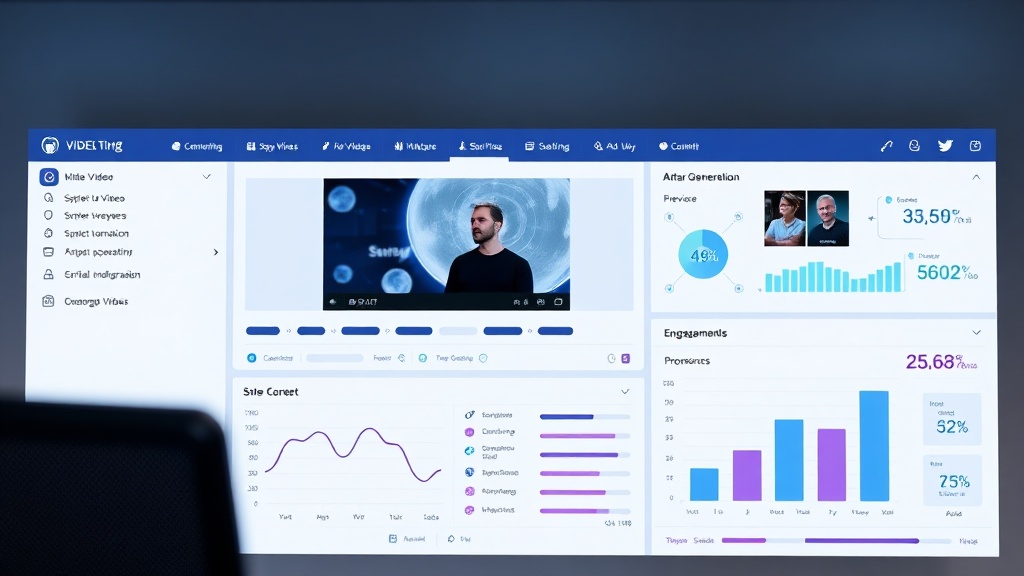
The Traditional Video Production Bottleneck
Before evaluating solutions, it is essential to understand the barriers small businesses face. A conventional video workflow involves scriptwriting, staging, filming, sound design, editing, color grading, and manual formatting for multiple social channels.
When a small business owner or a single marketing manager attempts this process, one of two things usually happens:
- Content burnout: Video production consumes too much time, taking attention away from core business operations.
- Inconsistency: Because the process is resource-heavy, publishing becomes sporadic, severely limiting algorithmic reach across platforms like LinkedIn, Instagram, TikTok, and YouTube.
AI video tools address this bottleneck by turning production from a labor-intensive craft into a scalable, repeatable digital system. Modern AI video tools turn simple text scripts into studio-quality product demos in minutes without a production crew.
Core Capabilities of Modern AI Video Tools
To build an efficient automated pipeline, small businesses should understand the primary categories of AI video technology available today:
- Text-to-Video and Avatar Generation: Platforms like HeyGen, Synthesia, and DeepBrain AI allow users to generate professional-looking spokesperson videos simply by typing a script. These tools offer hyper-realistic digital avatars that deliver presentations, product walk-throughs, or training videos without needing a camera or microphone.
- Automated Video Repurposing: Tools like Opus Clip, Munch, and Klap analyze long-form video files (such as webinars, podcasts, or customer interviews) and automatically extract the most engaging moments. The AI adds dynamic subtitles, resizes the video for 9:16 vertical formats, and scores clips based on virality potential.
- AI-Assisted Editing: Solutions like Descript and CapCut eliminate timeline-based video editing. Instead, they transcribe the audio and allow users to edit the video simply by editing the text transcript, automatically removing filler words like “um” and “uh” with a single click.
Designing an End-to-End Automated Workflow
Automating content marketing does not mean removing strategic oversight; it means eliminating repetitive, low-value manual tasks. A practical, automated video marketing pipeline for a small business follows four key steps:
- Ideation and Scripting
The process begins with existing business assets. Take a top-performing blog post, customer FAQ, or product update and feed it into a large language model (LLM). Prompt the AI to extract three core insights and structure them into high-retention, 30-to-60-second video scripts complete with hooks, value propositions, and calls to action (CTAs). - Video Synthesis
Feed the approved script into an AI video generator. If you prefer not to appear on camera, select a realistic avatar aligned with your brand identity or use text-to-b-roll tools like InVideo or Runway to generate relevant background visuals. For e-commerce businesses, product URLs can be converted directly into promotional showcase videos. - Automated Post-Production
Run the generated video through automated post-production software to apply branded colors, dynamic kinetic captions, sound effects, and transitions. Because over 75% of mobile users watch video without sound, automated, accurate captions are non-negotiable for driving engagement. - Scheduled Multi-Channel Distribution
Once the assets are rendered, connect your video output folder to scheduling platforms like Buffer, Metricool, or Zapier integrations. This ensures that a single piece of generated content is automatically scheduled to post across YouTube Shorts, Instagram Reels, TikTok, and LinkedIn at optimal times.
Repurposing: The High-ROI Strategy for Lean Teams
Small businesses do not need to create every video from scratch. The highest return on investment comes from repurposing long-form content that already exists.
If your company hosts a 45-minute monthly educational webinar or records a weekly client Q&A, you possess weeks of social media content. Uploading that single recording to an automated clipping engine can immediately yield 10 to 15 vertical short-form videos. The AI detects speakers, highlights dynamic hooks, frames the subject automatically, and delivers ready-to-publish assets.
This single workflow can fulfill a business’s social media calendar for an entire month from just one hour of initial effort.
Balancing Automation with Human Authenticity
While automation provides scale, pure automation without human direction can lead to generic, disconnected content. To build trust with your audience, keep the following best practices in mind:
- Maintain a Human-in-the-Loop: Never publish AI-generated content without a final human review. Check for factual accuracy, brand alignment, and natural phrasing.
- Avoid the “Uncanny Valley”: If you use digital avatars, select platforms with high-fidelity micro-expressions and natural vocal inflections. Alternatively, consider cloning your own voice and likeness using approved software to keep the face of your business genuine.
- Infuse Proprietary Data and Stories: Generic advice performs poorly. Provide the AI with your company’s specific case studies, customer reviews, and unique industry perspectives so the output reflects your distinct expertise.
Getting Started: A Step-by-Step Implementation Plan
Transforming your marketing approach does not require adopting ten new tools overnight. For small businesses looking to modernize their video strategy, a pragmatic rollout works best:
- Audit your current content: Identify your top five performing blog posts, FAQs, or customer success stories.
- Select one AI tool: Start with a repurposing tool if you already have long-form video, or an avatar/text-to-video tool if you are starting from written text.
- Run a 30-day pilot: Commit to producing and publishing three automated short-form videos per week using this new workflow.
- Analyze performance: Review engagement, watch time, and inbound inquiries to see which topics and visual styles resonate most with your target demographic.
By adopting AI video tools early, small businesses can eliminate the traditional cost barriers of video marketing, consistently engage their audience, and build a modern brand presence that drives sustained business growth. Just as deploying scalable AI chatbots helps scale customer support operations sustainably, integrating smart AI video tools eliminates workflow friction in your corporate content marketing pipelines. Ultimately, adopting AI video tools allows small teams to scale video marketing consistently on a tight budget.