In the hyper-competitive landscape of modern e-commerce, implementing AI-driven dynamic pricing is crucial, as static pricing strategies are rapidly becoming obsolete. Setting a price based simply on cost-plus margins or periodic competitor checks leaves substantial revenue on the table. Market conditions fluctuate by the minute, influenced by competitor stockouts, micro-shifts in consumer intent, seasonality, and supply chain pressures.
To remain competitive and protect profit margins, modern digital retailers are turning to artificial intelligence (AI). AI-driven dynamic pricing uses machine learning algorithms to analyze vast arrays of market variables in real time, automatically adjusting product prices to achieve strategic business goals.
This guide explores how AI dynamic pricing works, its operational advantages, the data infrastructure it requires, and how you can integrate it into your e-commerce ecosystem.
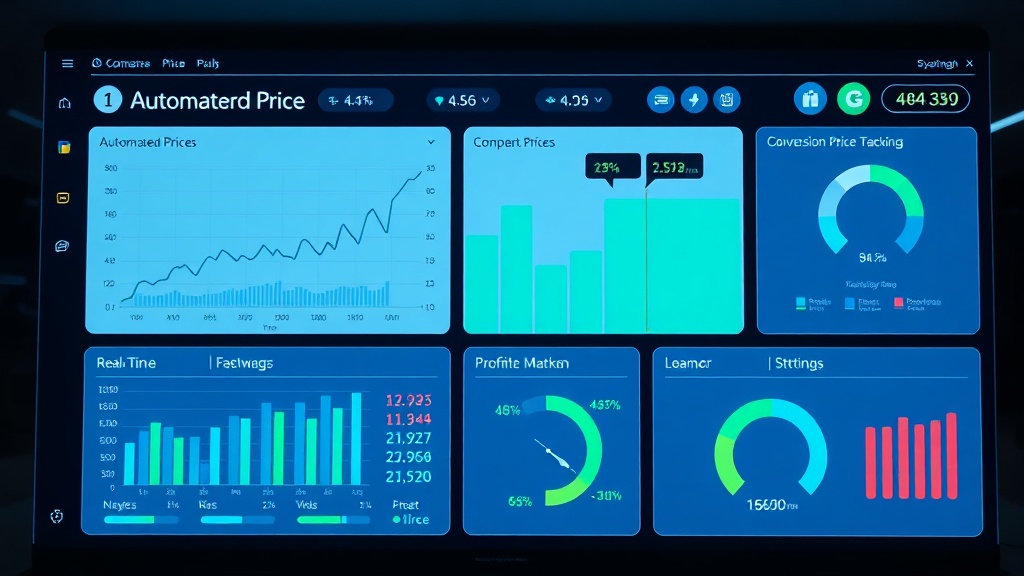
What is AI-Driven Dynamic Pricing?
Dynamic pricing is not a new concept; airlines and ride-sharing platforms have used yield management systems for decades. However, traditional e-commerce pricing engines relied heavily on rigid, “if-this-then-that” rules (e.g., “always beat Competitor X by 2%”).
While rule-based repricing offers speed, it frequently leads to margin erosion and unintentional “races to the bottom.” Modern AI-driven dynamic pricing platforms analyze competitor shifts and inventory levels automatically without manual intervention.
AI-driven dynamic pricing moves beyond reactive, rule-based systems into predictive optimization. Machine learning (ML) models analyze historical sales data, real-time demand signals, price elasticity, and external context simultaneously. Instead of just reacting to a competitor’s discount, an AI system calculates the optimal price point that balances conversion rate against margin to maximize gross profit or revenue.
The Core Deficiencies of Traditional Pricing Models
To understand the value of AI, it is essential to recognize the inherent weaknesses of legacy pricing strategies:
- Cost-Plus Pricing: Adding a fixed markup to product acquisition costs ignores what the market is actually willing to pay, sacrificing margin on high-demand items and overpricing slower-moving inventory.
- Manual Competitor Benchmarking: Periodic manual tracking is fundamentally too slow. By the time a merchandising team updates a spreadsheet, competitor inventory and search rankings have already shifted.
- Rule-Based Repricing: Without contextual awareness, rules can trigger damaging feedback loops. For example, if two competing merchants use automated rules to undercut each other by $0.05, prices plummet until one reaches their baseline floor.
How the AI Pricing Engine Works: Key Data Inputs
An intelligent pricing algorithm does not operate in a vacuum. It processes multi-dimensional data pipelines to determine real-time price elasticity—the measure of how demand shifts in response to price changes.
High-performance AI pricing engines typically evaluate three categories of data:
1. Internal Enterprise Data
- Current Inventory Levels: Lower stock velocity on perishable or seasonal items might trigger automated price reductions, while scarce inventory on high-demand items triggers margin expansion.
- Cost of Goods Sold (COGS) & Logistics: Real-time variable costs, including warehouse fees, return rates, and shipping surcharges.
- Historical Transaction Data: Past conversion rates, cart abandonment rates, and average order value (AOV) across different price points.
2. External Market Signals
- Competitor Pricing and Availability: Real-time monitoring not just of competing price points, but whether those competitors actually have the inventory in stock.
- Search Engine and Marketplace Trends: Spikes in regional search query volume indicating emerging demand patterns.
- Macroeconomic Factors: Local inflation metrics, currency fluctuations, and localized seasonal events.
3. Customer Behavior Metrics
- Traffic Sources: Traffic originating from direct search often exhibits different price sensitivity compared to traffic from price-comparison engines (Google Shopping).
- On-Site Session Behavior: Time spent on page, browsing velocity, and frequency of visits.
Strategic Advantages of Algorithmic Pricing
Deploying machine learning models to manage pricing catalogs provides tangible performance improvements across multiple business functions.
Margin Protection and Expansion
The primary misconception about dynamic pricing is that it only moves prices downward. In practice, mature AI pricing models increase prices just as frequently. When competitor stock depletes or demand surges unexpectedly, the algorithm recognizes an opportunity to capture premium margins without sacrificing sales volume.
Automated Inventory Health Management
Stagnant inventory incurs carrying costs and ties up working capital. Machine learning models identify early signals of demand drops and incrementally discount items to maintain target sell-through velocity, reducing the need for aggressive clearance sales at the end of a product lifecycle.
Scalability Across Massive Catalogs
For retailers managing tens of thousands of SKUs across multiple regions and channels, manual management is impossible. AI systems evaluate and adjust pricing across an entire catalog continuously, freeing merchandising teams to focus on strategy and vendor negotiations.
Navigating the Challenges: Guardrails and Ethics
While the commercial advantages are clear, automated dynamic pricing requires strict oversight to mitigate reputational and legal risks.
Setting Rigid Floors and Ceilings
Algorithms must always operate within predefined parameters. A business must establish non-negotiable price floors (to protect minimum operational margins) and price ceilings (to prevent unintentional price gouging during supply disruptions). Without constraints, extreme market anomalies can produce unpredictable pricing behavior.
Preserving Consumer Trust
Modern consumers are price-conscious and digitally savvy. If a shopper sees a price change between adding an item to their cart and visiting the checkout page, it damages brand loyalty. Dynamic pricing strategies should prioritize predictability during the active purchase path and avoid aggressive personalized pricing based on private demographic data, which can alienate customers and invite regulatory scrutiny.
Compliance and Antitrust Risks
Pricing algorithms must be developed to comply with consumer protection regulations, fair trade practices, and regional laws regarding promotional discounting (such as the EU Omnibus Directive, which regulates how previous prices must be displayed during sales).
Implementation Roadmap for E-commerce Leaders
Adopting AI pricing is an operational transformation that requires careful planning and execution.
- Cleanse and Unify Your Data: An algorithm is only as good as the data it consumes. Before selecting software, ensure that your product catalogs, ERP data, inventory counts, and web analytics are unified and accessible via clean APIs.
- Build vs. Buy Assessment: For most mid-market and enterprise retailers, purpose-built SaaS pricing engines (such as dynamic pricing platforms integrated into Shopify Plus, Salesforce Commerce Cloud, or custom headless setups) offer a faster time-to-value than developing in-house machine learning pipelines.
- Execute a Phased Rollout: Never apply algorithmic pricing across your entire catalog simultaneously. Begin with a control group of non-core, high-velocity SKUs to validate the model’s accuracy, track price elasticity, and measure the impact on contribution margin.
- Establish the Human-in-the-Loop Framework: Treat the AI as a decision-support engine rather than an unchecked autopilot. Merchandisers should review anomaly reports, approve pricing changes outside defined variance thresholds, and fine-tune algorithmic parameters based on seasonal business priorities.
The Path Forward
In modern e-commerce, operational agility is a primary differentiator. AI-driven dynamic pricing transforms product pricing from a static merchandising chore into an active, continuous optimization engine.
By analyzing real-time data inputs and responding intelligently to shifts in supply and demand, retailers can maximize profitability, optimize inventory lifecycles, and maintain a competitive edge in an increasingly volatile digital marketplace.While maximizing revenue via AI-driven dynamic pricing secures financial growth, deploying scalable AI chatbots to reduce support costs helps scale your entire online store operations sustainably. Ultimately, adopting AI-driven dynamic pricing enables online retailers to protect margins and scale revenue sustainably.