In an era defined by Predictive Maintenance and same-day delivery expectations, global supply chain complexity and razor-thin margins have made operational reliability a critical competitive differentiator. Within modern logistics hubs and automated distribution centers, the margin for error has virtually evaporated. When a high-speed sorter halts or an automated storage and retrieval system (AS/RS) jams, the ripple effect across the supply chain is immediate and costly.
To maintain peak throughput, industry leaders are moving away from traditional maintenance models. Instead, they are embracing Predictive Maintenance (PdM): an advanced, data-driven approach that anticipates equipment failures before they disrupt operations.
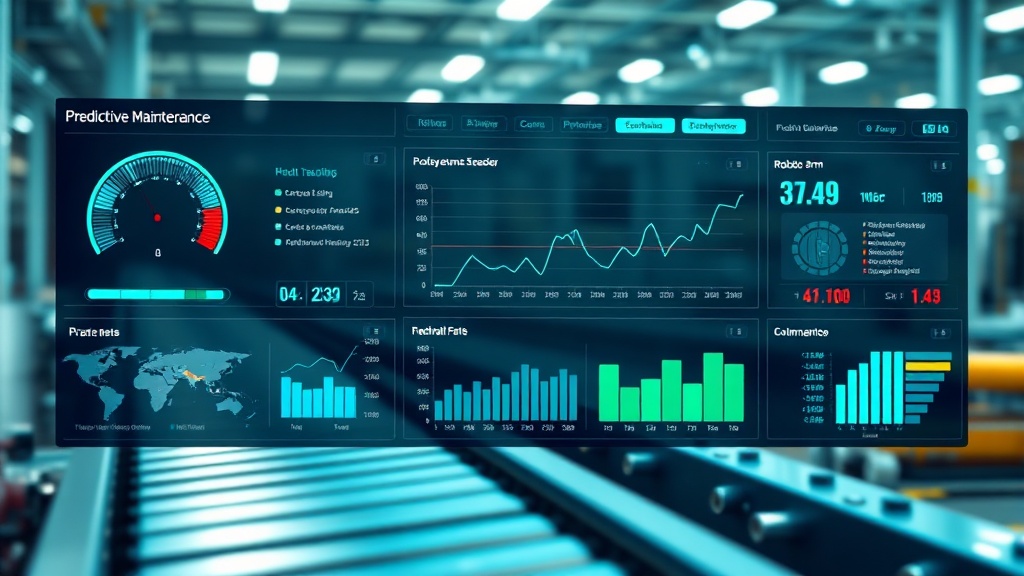
The Paradigm Shift: From Reactive to Predictive
Historically, warehouse maintenance operated on two models:
- Reactive Maintenance (Run-to-Failure): Fixing assets only after they break down. This approach results in unpredictable downtime, emergency repair premiums, and severe shipping delays.
- Preventive Maintenance (Time-Based): Servicing machinery based on fixed schedules or operating hours (e.g., lubricating bearings every 90 days). While better than reactive maintenance, this approach often leads to unnecessary labor on healthy machines or unexpected failures between scheduled service intervals.
Predictive maintenance represents an intelligent evolution. By continuously monitoring the real-time condition of critical machinery, PdM allows logistics managers to service equipment only when specific wear indicators signal an impending failure. It bridges the gap between running machines to exhaustion and replacing functional components prematurely.
The Technological Architecture Behind Predictive Maintenance
The rise of Industry 4.0 and the Industrial Internet of Things (IIoT) has transformed PdM from a theoretical concept into a practical reality. Today’s predictive maintenance ecosystems rely on three core pillars:
- IoT Telemetry and Smart Sensors: Non-invasive sensors mounted on warehouse assets capture continuous data, including vibration analysis, acoustic signatures, thermal imaging, and motor current dynamics.
- AI and Machine Learning Algorithms: Raw data streams are continuously analyzed by machine learning models trained on historical failure patterns. These algorithms recognize anomalies that human technicians cannot detect—such as microscopic bearing wear or minor electrical fluctuations.
- Cloud Integration and Digital Twins: Sensor data integrates directly with Computerized Maintenance Management Systems (CMMS), Warehouse Execution Systems (WES), and Enterprise Resource Planning (ERP) platforms. In advanced environments, digital twins mirror physical equipment, allowing operators to simulate stress limits and run virtual failure scenarios.
Critical High-Value Applications in Logistics and Warehousing
Predictive maintenance delivers its highest return on investment when deployed across automated and mission-critical warehouse infrastructure:
- Automated Guided Vehicles (AGVs) and AMRs: Telemetry monitors battery health, wheel-motor torque, and navigation sensor degradation, scheduling autonomous returns to maintenance bays before a vehicle stalls in a busy aisle.
- Conveyor and Sorter Systems: Vibration sensors placed along conveyor pulleys, rollers, and drive motors flag unbalanced shafts and belt wear, preventing catastrophic line seizures during peak fulfillment windows.
- AS/RS Cranes and Shuttles: Continuous monitoring of mast alignment, cable tension, and gearboxes guarantees vertical warehouse storage remains operational 24/7.
- Cold Chain and HVAC Infrastructure: Temperature and compressor monitoring ensure cold-storage facilities never experience refrigeration drops that could compromise perishable or pharmaceutical inventory.
The Tangible Business Benefits
Adopting a predictive maintenance strategy shifts asset management from a cost center to a value driver. The measurable benefits include:
- Significant Downtime Reduction: According to industry benchmarks, PdM can reduce unplanned equipment breakdowns by 30% to 50%, protecting Service Level Agreements (SLAs).
- Lower Maintenance Costs: By eliminating redundant scheduled inspections and mitigating major emergency repairs, warehouses often see maintenance overhead decline by 10% to 20%.
- Extended Asset Lifespans: Operating machinery within optimal parameters and eliminating catastrophic failures can extend the operational life of expensive automated assets by years.
- Improved Workplace Safety: Catastrophic mechanical failures (such as snapping chains or overheating motors) pose real physical hazards to warehouse workers. PdM identifies these risks before they create workplace hazards.
Overcoming Implementation Challenges
While the benefits are clear, transitioning to predictive maintenance requires careful planning. Organizations frequently face initial hurdles:
- Legacy Infrastructure: Older facilities may house machinery lacking digital interfaces. This requires retrofitting assets with aftermarket wireless sensors.
- Data Overload: Collecting vast amounts of telemetry without clear analytics models leads to alert fatigue. Facilities must focus first on critical “bad actor” assets rather than attempting to monitor every component simultaneously.
- Workforce Upskilling: Maintenance teams must shift from traditional mechanical tasks to interpreting diagnostic dashboards and interacting with data-driven workflows.
The Road Ahead: The Autonomous, Resilient Warehouse
As logistics ecosystems become increasingly connected, predictive maintenance is converging with predictive logistics. Future iterations will not only flag a failing motor, but will also automatically redirect parcel traffic around the vulnerable conveyor line, order the required replacement part via the ERP, and assign the repair ticket to a technician based on shift schedules.
In a global supply chain where speed, efficiency, and reliability determine market leadership, predictive maintenance is no longer a luxury. It is the operational backbone that keeps modern warehouses moving forward without interruption. Just as integrating intelligent systems secures warehouse reliability, expanding your infrastructure to include AI-driven fleet management ensures full operational visibility from the storage facility to the customer’s doorstep.